
– Bowen Genetics
The Future of
Premium Beef
Bowen Genetics brings together practical cattle breeding, genomic testing and the science of eating quality to identify superior beef genetics earlier in an animal’s life. The program focuses on marbling, fat melting point, Omega-3 content and the traits that drive consistent premium beef.

Conference
2026
Date
14 May
Venue
Tamworth
Focus
Eating Quality
Bowen Genetics
– Genomics & Eating Quality
Identifying premium beef traits earlier.
Bowen Genetics was established in 2019 following Stephen Peake’s meeting with Professor Aduli Malau-Aduli at the Wagyu Conference.
The program was created to address a significant gap in traditional beef breeding systems. Cattle are usually assessed for meat quality after slaughter, which can create a three to four year delay before kill data is available and breeding decisions can be properly evaluated.
Bowen Genetics set out to explore whether the genetic code responsible for marbling, fat melting point and exceptional eating quality traits could be identified much earlier in an animal’s life. This allows producers and feedlotters to make faster, more accurate and better informed breeding decisions.
The work combines visual assessment, EBV and phenotype evaluation, and genetic sampling to identify animals with the strongest potential for premium beef production.
Selection & Evaluation Process
Our animal selection process began with a comprehensive 19-step visual assessment on animals of all 3 breeds, evaluating traits such as structural soundness, feet, temperament, capacity, frame and overall balance — all characteristics we believe contribute to the ideal beef animal.
Selected animals were then assessed using their Estimated Breeding Values (EBVs) and how those figures aligned with the animal’s physical phenotype and performance traits.
Once an animal successfully passed the first two stages of evaluation, a small biopsy was ethically collected by our local veterinarian between the 12th and 13th rib. A pea-sized tissue sample from the longimissmus dorsi muscle. Which was immediately snap frozen using liquid nitrogen and stored in individually marked specimen containers for transport.
Two blood samples were also collected:
- One into a tube containing heparin
- The second into a tube containing RNAprotect, which preserves the animal’s DNA and RNA structure for laboratory extraction and analysis.
The tissue and blood samples were then overnight air freighted to Professor Aduli Malau-Aduli at James Cook University for laboratory analysis.
Over seven years of research, Bowen Genetics has tested 250 animals using biopsy samples and collected more than 500 blood samples for laboratory analysis.
– Bowen Genetics
Performance, integrity and practical cattle breeding.
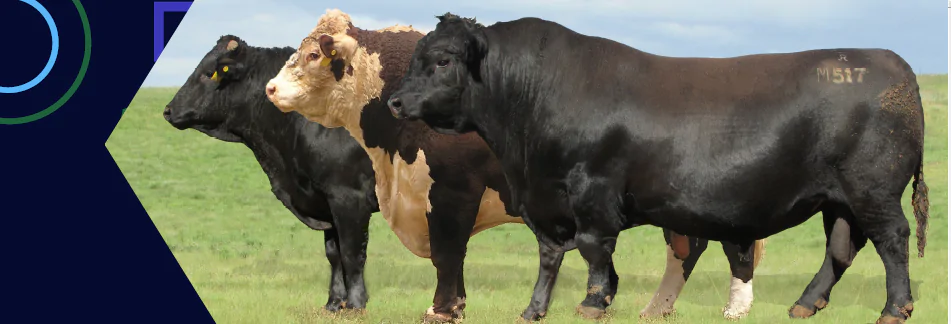
Bowen Genetics supports the wider Bowen Stud breeding program across Poll Hereford, Angus and Wagyu cattle. The focus remains on commercially relevant cattle, selected for structure, performance, fertility and eating quality.
– Genetic Direction
What Bowen Genetics Focuses On
Bowen Genetics focuses on identifying animals with superior genetic potential for premium beef traits before traditional post-slaughter data becomes available.